
You already notice everything. Now write it down.
You know the difference between your dog's "I'm tired" and "something's off." You know when their appetite shifts, when their energy drops on a Tuesday for no obvious reason, when their stool looks a little different than it did last week.
The problem is that those observations live in your head. Or in your Notes app, in a screenshot (or too many screenshots) you texted to your vet, or on a sticky note that's long gone. But then you're sitting in the exam room trying to remember when the soft stools started, or whether the limp came before or after you switched supplements, and it all blurs together.
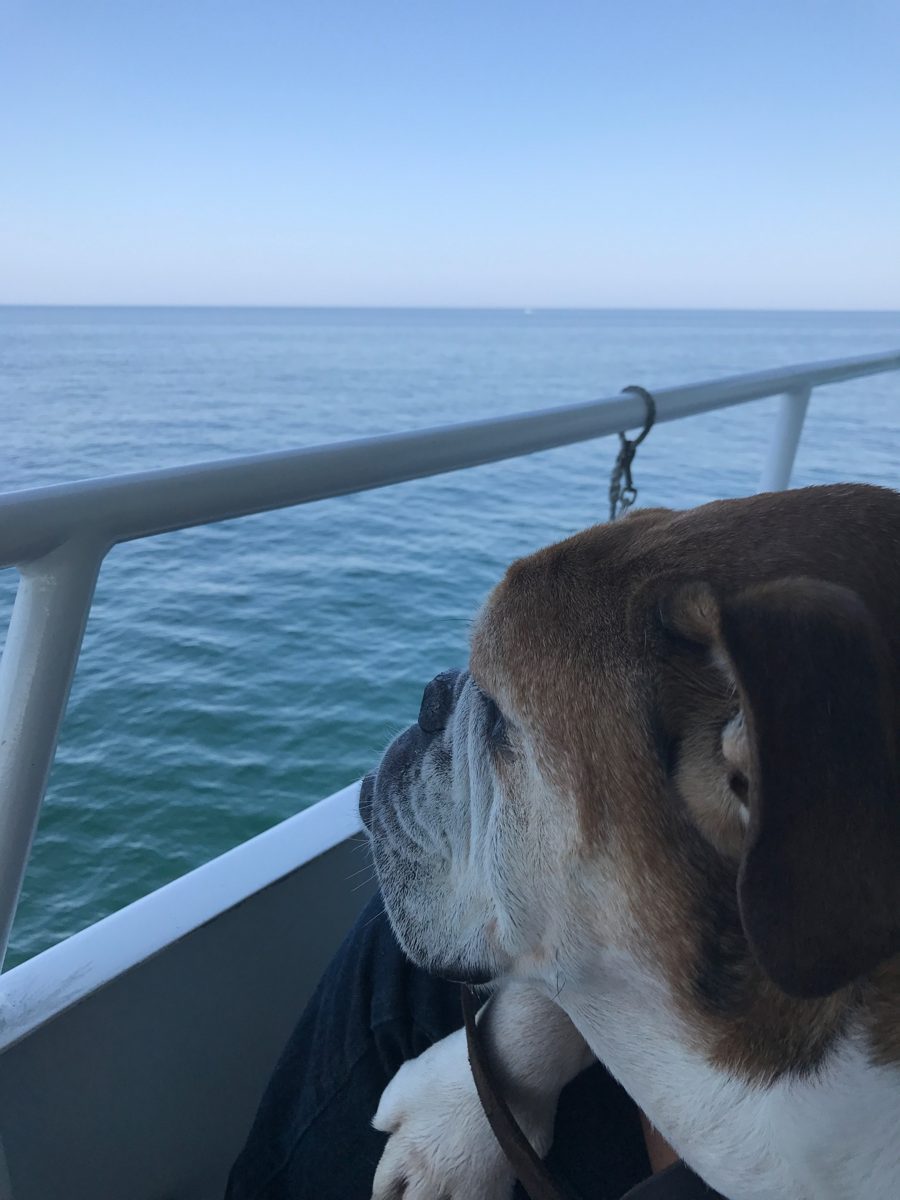
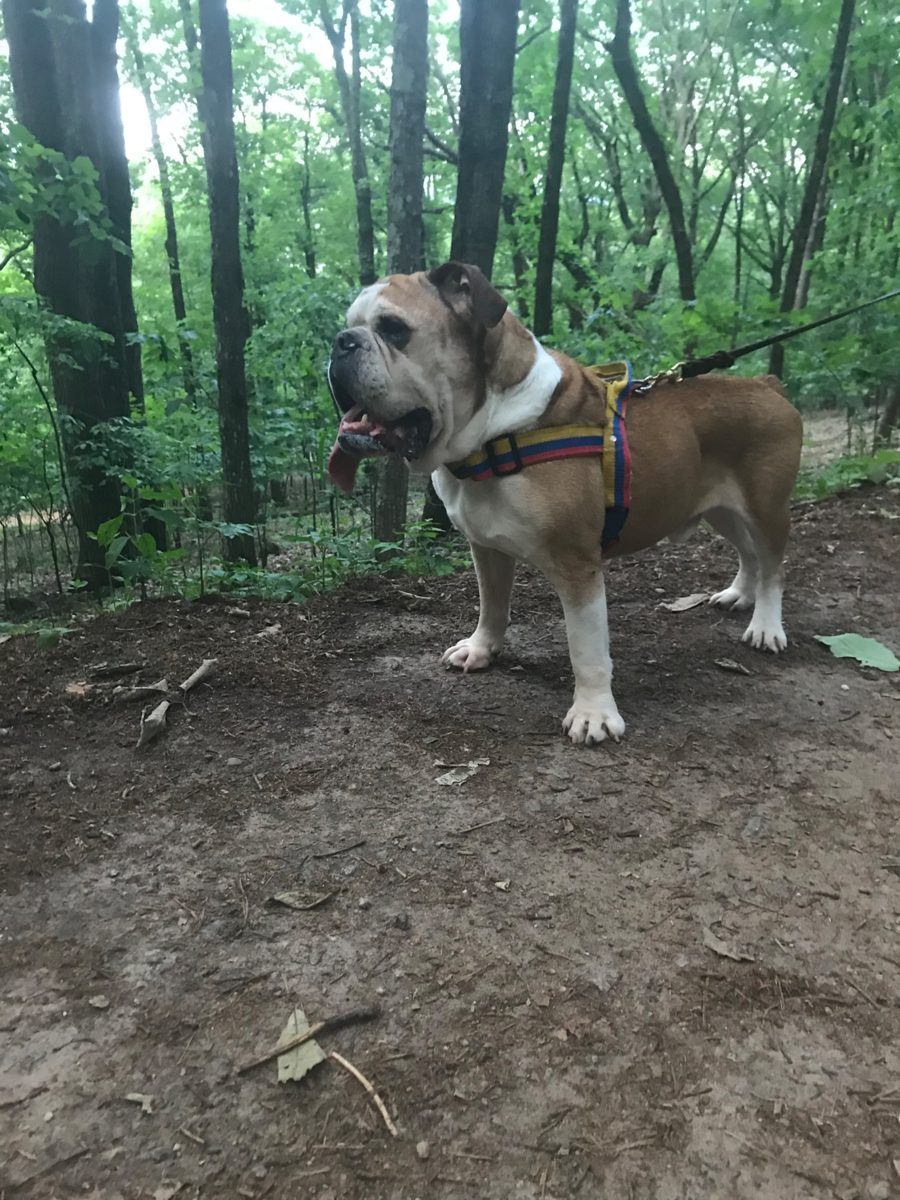
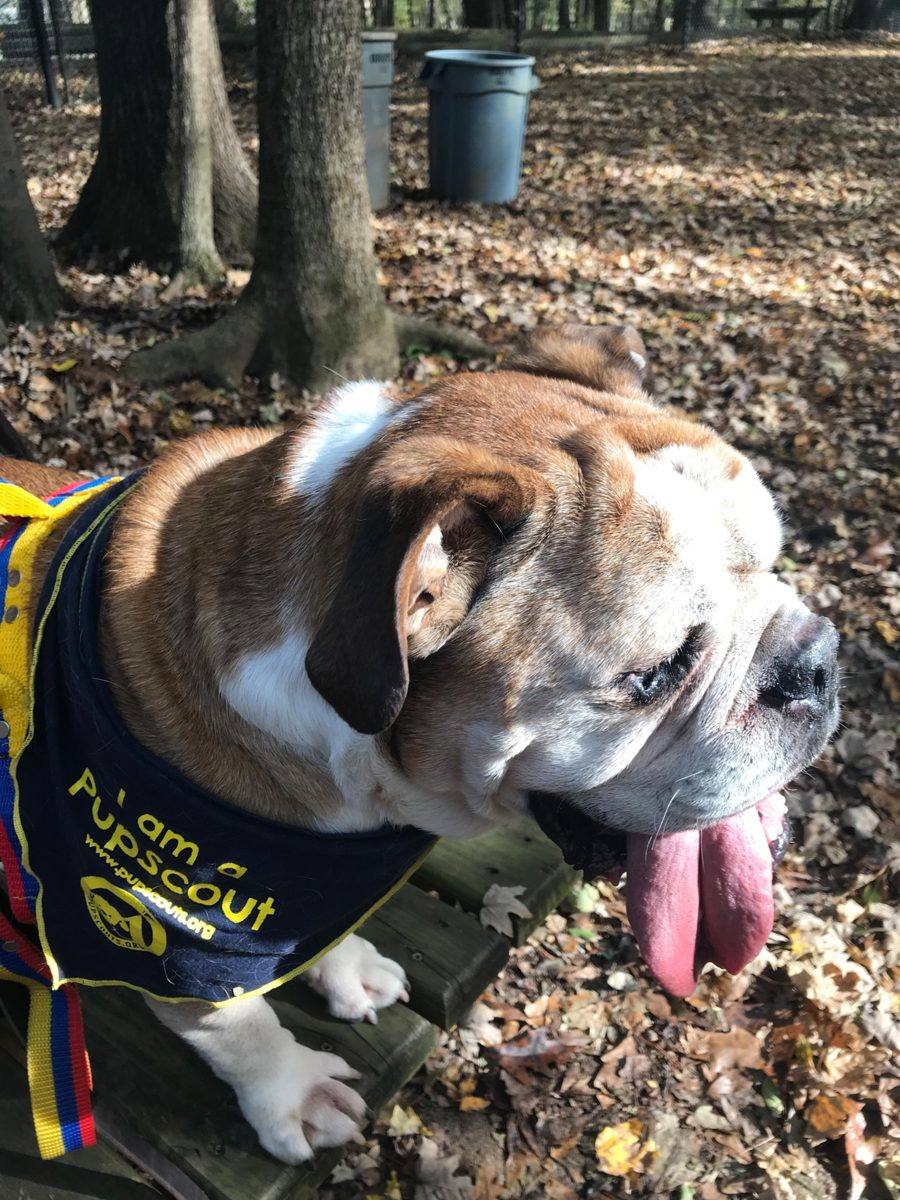
I have been through exactly that. Some might say I was obsessive, but I knew it was what little I could do to enhance and prolong my boy's life. A life I understood was entrusted to my husband and me when we chose to adopt our beautiful senior boy, Tyrion.
Oh, I looked for apps. I found plenty of fitness trackers for myself, but personally, I always found comfort in a hardback paper journal, and that is what I wanted for Tyrion. It didn't exist, and I wondered why there wasn't something comparable for my boy.
The Golden Dog Project came out of grief and the recognition that this tool could have helped my efforts. So I created one, not only to help other parents like me, but as an homage to Tyrion. He will live on forever.
A dog health journal is not because you need more to do. It's because the things you're already noticing deserve a place to live.
Why tracking matters more than you think
Most health issues in dogs don't announce themselves. They build slowly and reveal themselves in small ways, such as a gradual drop in energy, a recurring ear infection, or a food sensitivity that takes weeks to surface. By the time you're at the vet, the pattern is invisible because no record exists.
Once they reach the senior threshold, the decline picks up speed and seems to happen overnight. This is why it is imperative to catch signs early. If you notice a change in their pace, or maybe they're favoring one side, those might be early signs of mobility issues and your cue to supplement accordingly. If you notice stool changes, you can tweak their diet before it turns into something bigger.
When you track daily, even briefly, you start to see connections that are impossible to spot from memory alone:
- The chicken-based kibble that correlates with itchy skin every single time
- The supplement that actually improved mobility after three consistent weeks
- The slow weight gain that crept in so gradually you didn't notice until you looked back at two months of entries
- The anxiety that spikes every time the weather shifts, which you never would have connected without seeing the dates side by side
Then there is everything you cycle through trying to help them. The green-lipped mussel, the golden paste, deer antler velvet, glucosamine and chondroitin, swim sessions, your nightly massages. The list goes on and on, and at the end of the day, which one made the most difference in their mobility? It takes trial and error to find the formula that works best, and a journal is how you actually know. Soon enough, your protocols become habits, and the habits that work become obvious.
Your vet sees your dog for fifteen minutes a few times a year. You see them every day. A journal turns your daily observations into something your vet can actually work with: real data, dates and timelines, not "I think this started a few weeks ago, maybe?"
What to track every day
This doesn't need to take more than two minutes. You're not writing a novel (unless you want to). You're capturing what you already noticed. Here's what matters most:
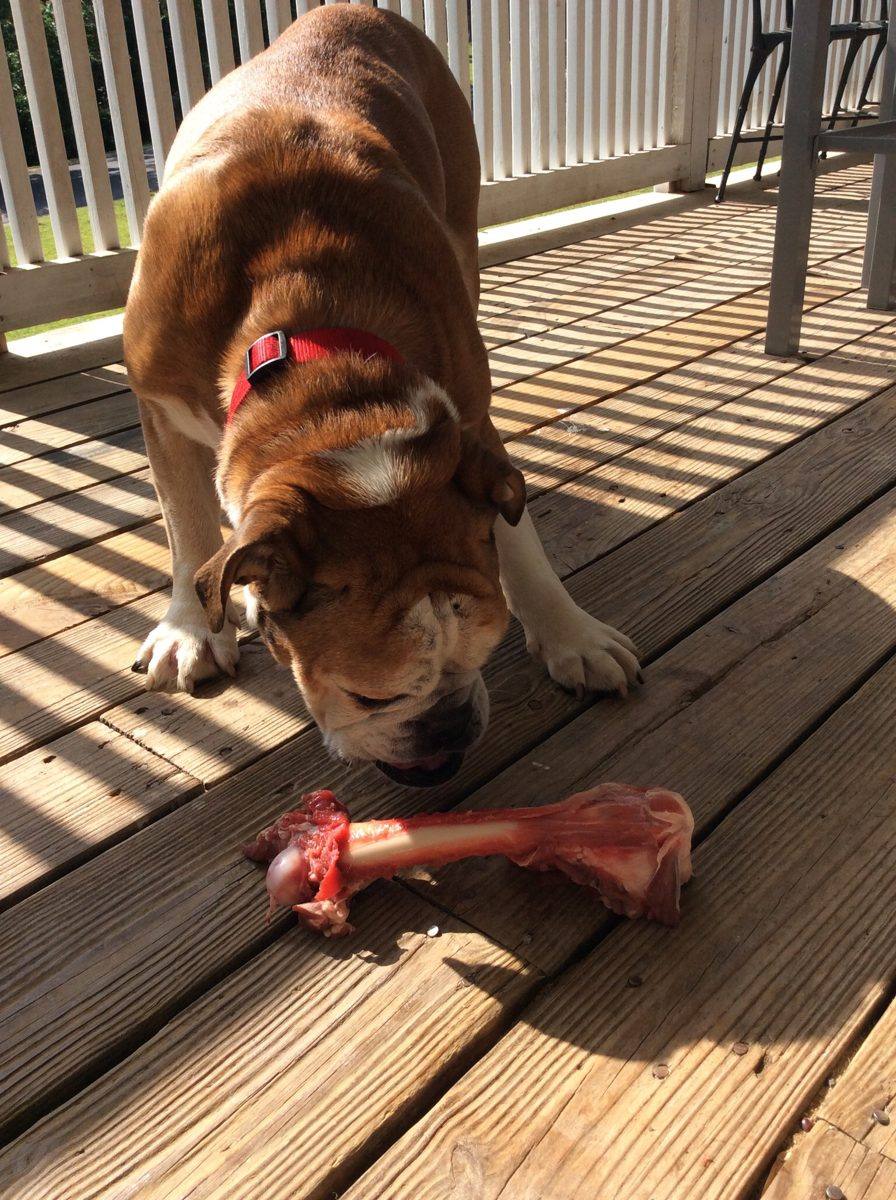
Food and digestion. What they ate, how much, and how it came out the other end. Stool quality is one of the fastest indicators of gut health, food sensitivity, and stress. Note the consistency, color, and frequency. Flatulence? Write that down too. Track hydration and appetite as well, because a dog that suddenly drinks more water or turns away from food is telling you something.
Energy and mood. Was today a good day or a slow day? Did they want to play, or did they mostly sleep? A single low-energy day means nothing, but a few in a row is the kind of thing you only see over time.
Supplements and medications. What you gave, the dose, the brand, and the time. This is critical if you're layering multiple supplements. You need to know what's working, what's not, and what might be interacting. A weekly checkmark grid keeps you honest about consistency, because a supplement you give four out of seven days isn't going to tell you much.
Therapy and treatments. If your dog sees a practitioner, log the session. And there are so many available now! Acupuncturists, chiropractors, physical therapists, energy healers, and that's not even counting all of the veterinary specialists out there. You are very blessed if you have access to these wonderful professionals. Record their pain and mobility before and after, and write down what the practitioner recommends.
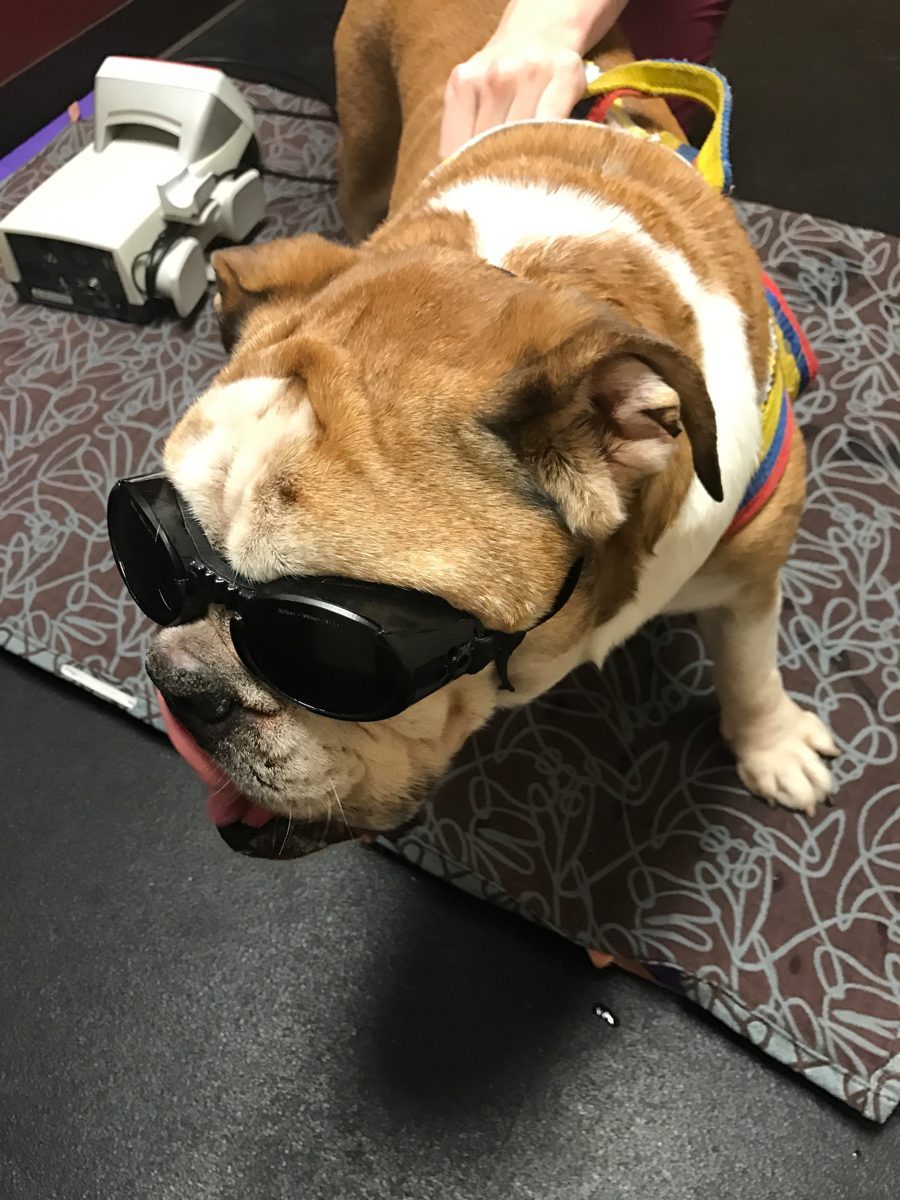
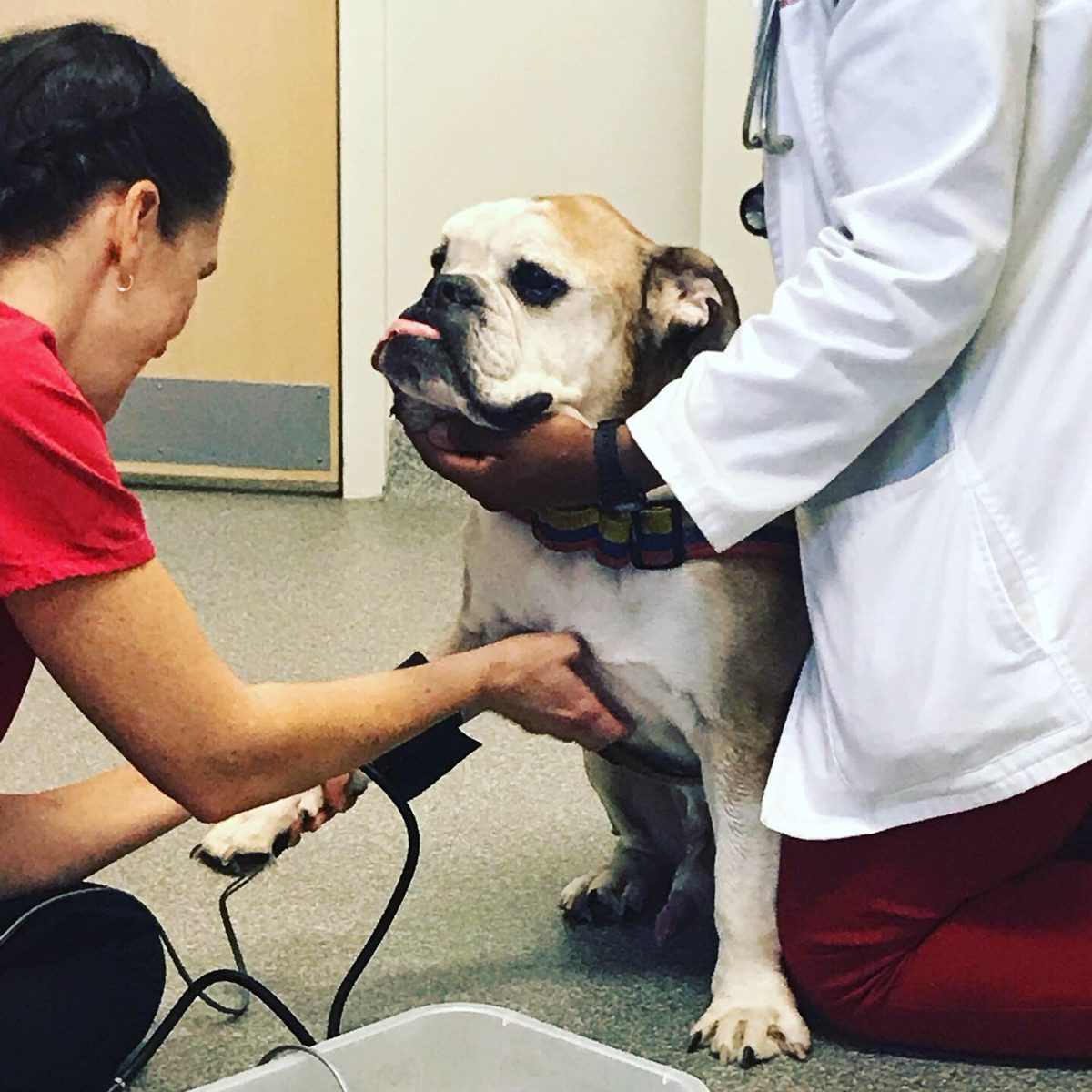
Laser therapy, physical therapy, and a very patient boy. I never had one place to keep any of it. That is why this project exists.
A note on vets: I respect veterinarians deeply, and some have literally made the difference between life and death for my boy. But the hard truth is that not all vets are receptive to a wildly passionate pet parent. If ideologies clash (for example, if you want a vaccine titer over automatic yearly shots, or you've chosen raw feeding), you may find yourself at odds with a vet who only asks if the dog eats and drinks and not much else. Those vets may scoff at a journal like this, but don't let them dissuade you. They are doctors, but no one knows your dog the way you do. Find the vet who respects your dedication, and with whom you can have a real partnership.
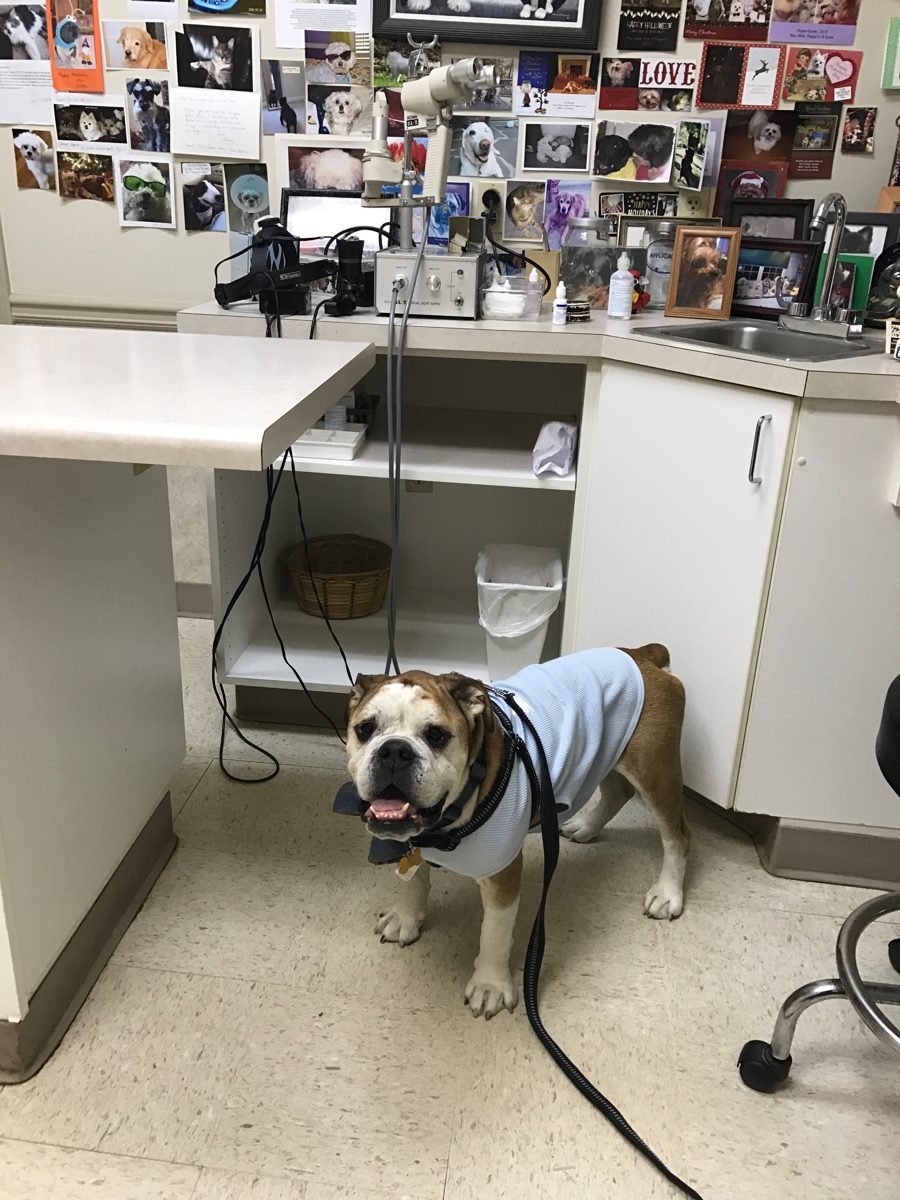
The things that don't fit anywhere else. A behavioral change or a gut feeling becomes a question you will want to ask the vet next time. The fact that they limped slightly on the left rear after the long walk but seemed fine an hour later. These quiet observations are often the most important ones.
How tracking changes your dog's quality of life
When you have a journal, you stop second-guessing yourself and start making decisions from a place of clarity.
You can walk into the vet's office and say, "His stools have been soft for eleven days. It started three days after I introduced the new protein, and his energy dropped around day five." You become an informed, confident advocate.
You catch things earlier, eliminate variables faster, and stop cycling through supplements without knowing which one actually helped. You will also stop blaming yourself for missing something, because you're not missing anything anymore.
And on the hard days (and I pray you won't live through many of these), when you're worried, when the diagnosis is uncertain, when you're sitting in the parking lot of the emergency vet at midnight, having a record of everything you've done is a quiet reassurance that you showed up. Every single day, you showed up.