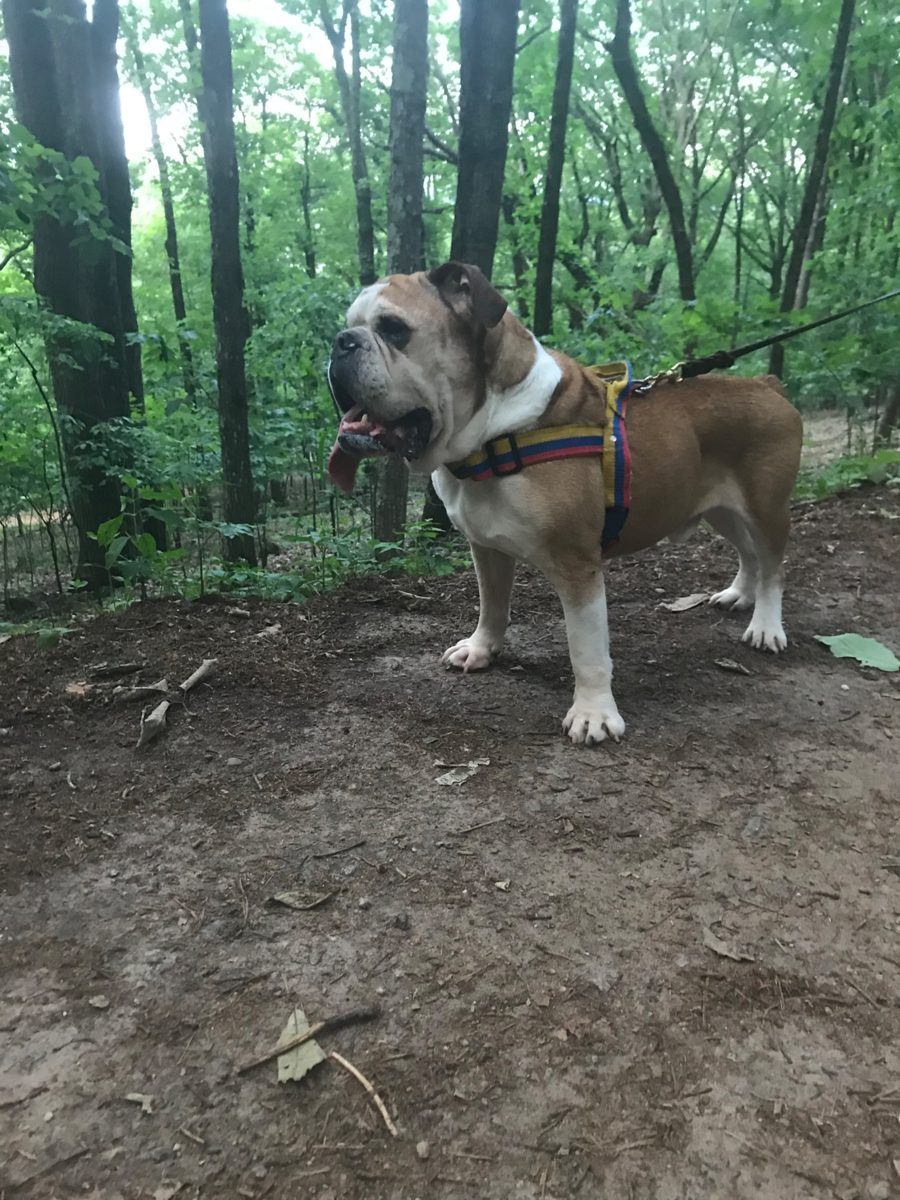
An eye was never what defined him
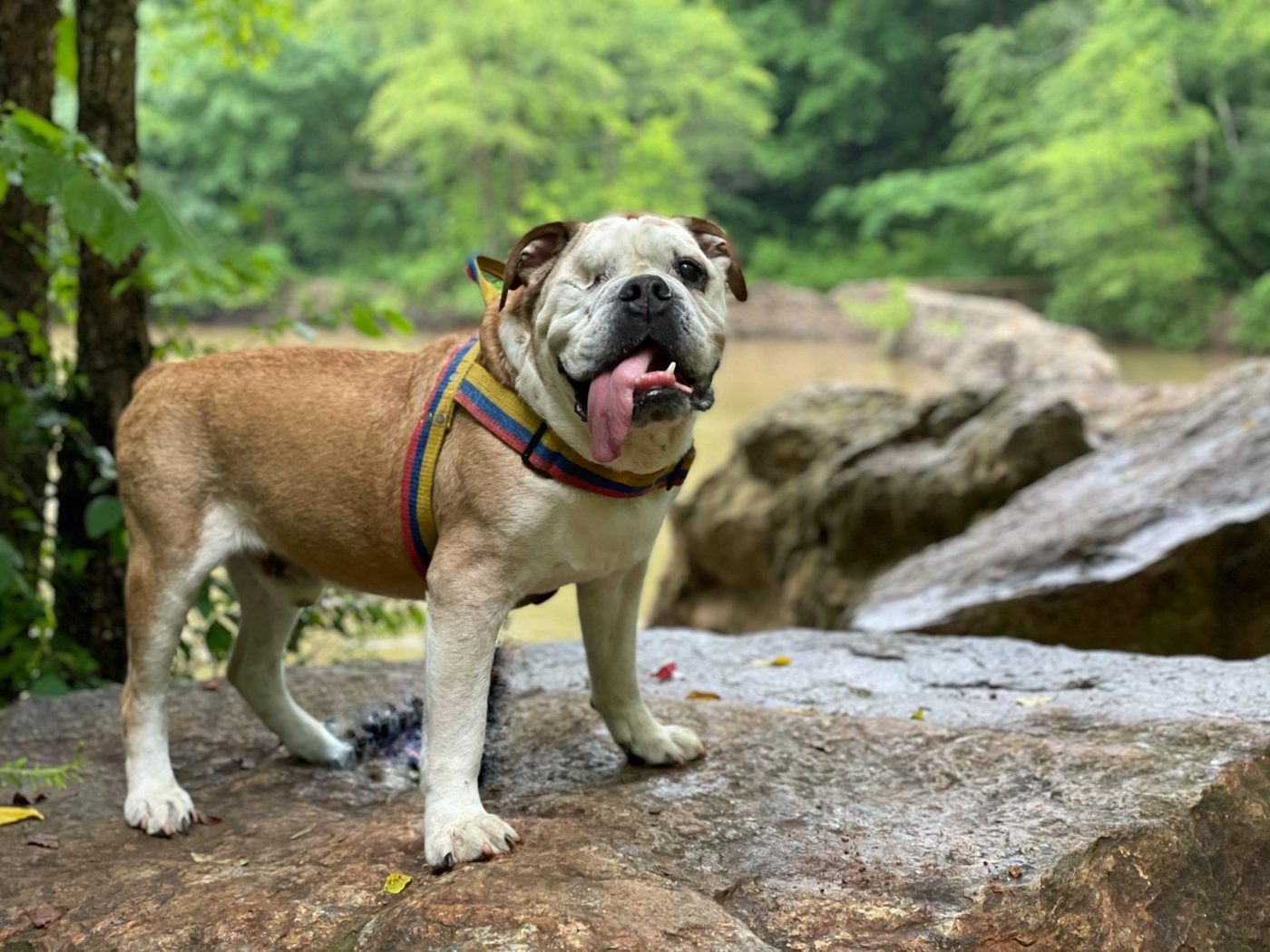
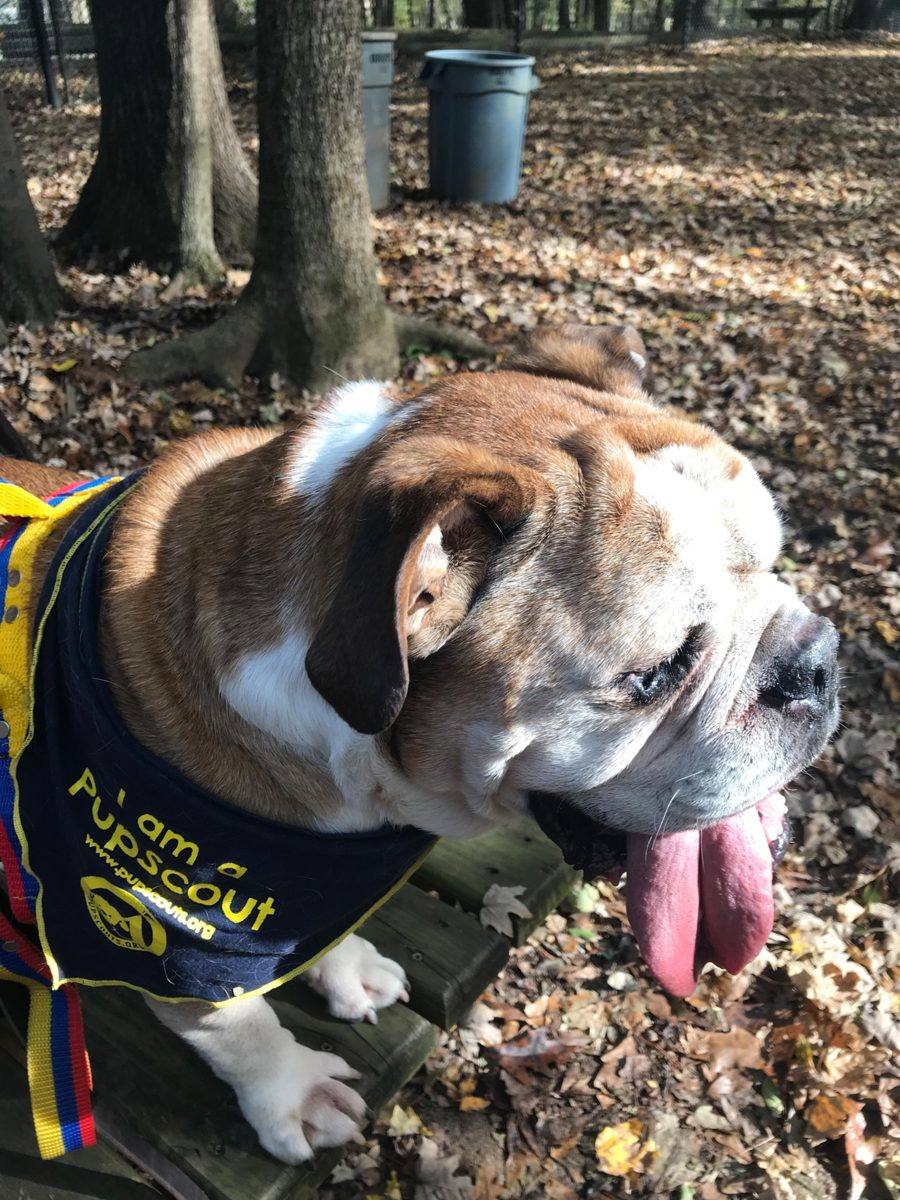
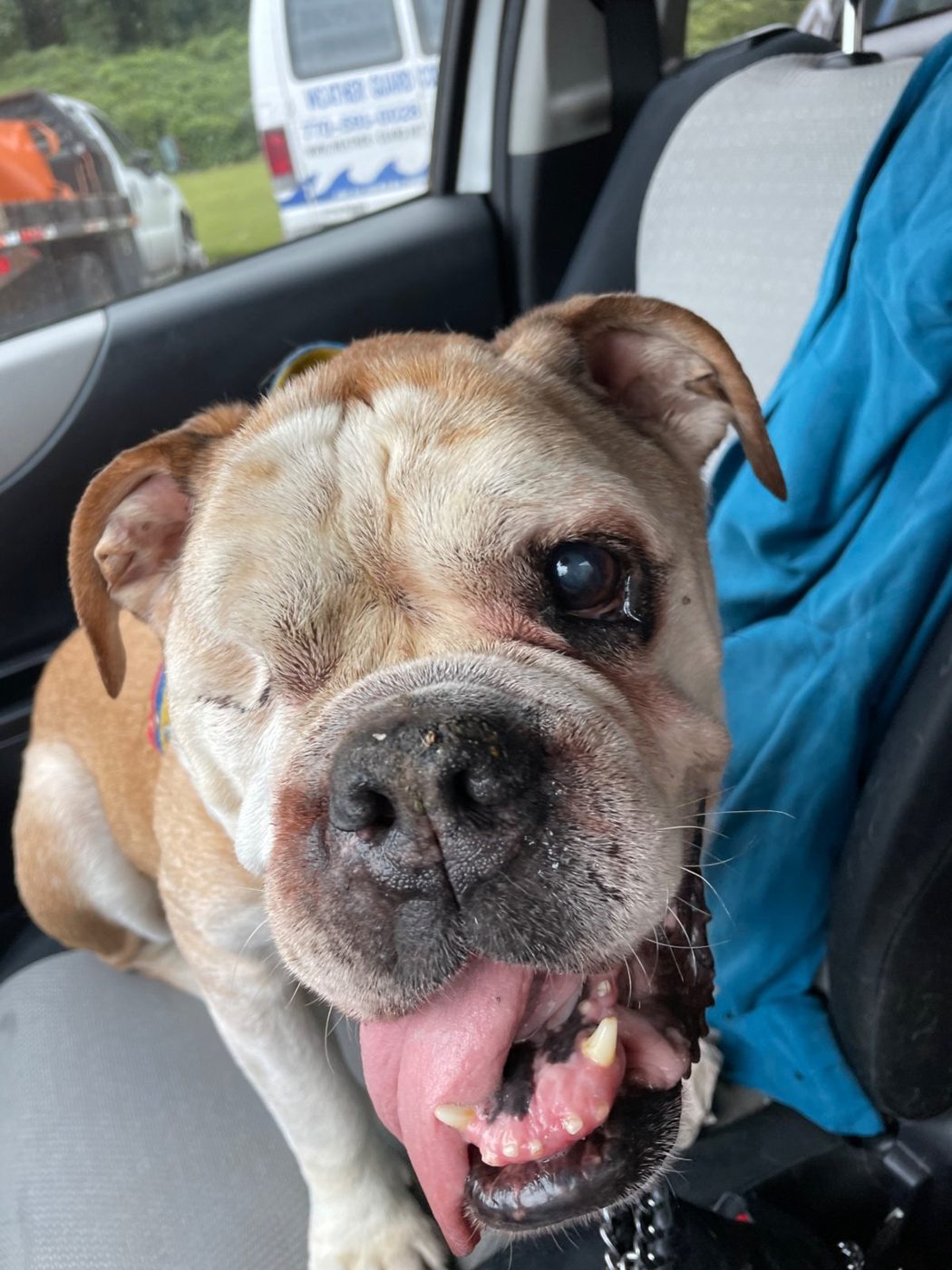
Tyrion lost an eye late in life. If you look at his photo, that is the first thing you'll notice, but it was probably the last thing he noticed.
He was an Olde English Bulldog, very senior by then, and very healthy for his age. He had been through more medical adventures than most dogs ever will, including a pacemaker, which is a story for another day. The eye, as it turned out, was the easiest of all of them.
I'm sharing this because losing sight can happen to any dog, especially a senior dog, and it scares people. I want you to know what it actually looked like from inside our house, and what two very different dogs taught me about it.
What happened to his eye
Tyrion came to us with chronic dry eye, along with the usual bulldog maladies that come with the territory. We saw a veterinary ophthalmologist several times for it, and we eventually got it under control with his diet. His eyes were always something I paid attention to.
What I didn't know was that a mass was growing behind the scenes. It was never caught. Eventually it caused the cornea to rupture, and the eye could not be saved.
Here is the part I want other senior dog parents to hear. Tyrion never acted blind or in pain. The only sign, looking back, was that he would paw at that eye from time to time. In a bulldog with a history of dry eye, which had resolved by then, that didn't look like much.
This is not something you catch even when you are looking. We were seeing a specialist, and it still slipped past us. I don't say that to scare you. I say it so you'll give your dog's eyes a real look now and then, and mention the small things to your vet even when they seem like nothing.
A word on the mass, and why I fed him the way I did
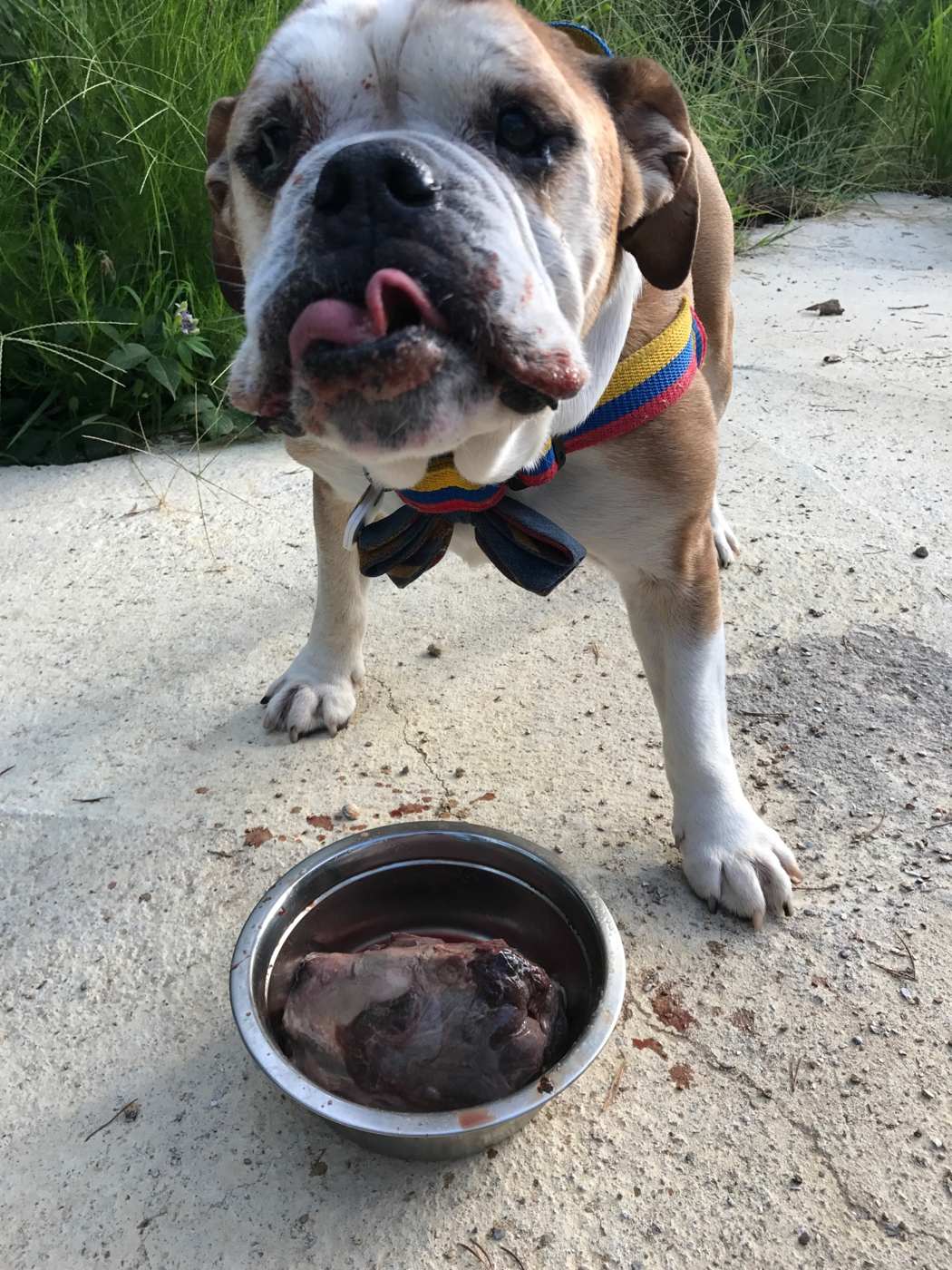
Some of this is conjecture, and to a degree we will never know. But if you haven't noticed, I lean holistic and integrative. That is a blog for another day, one that will include my beautiful mother, my best friend, and my own experiences with doctors and vets.
Put simply, there is a school of thought, close to epigenetics, that says even a dog genetically predisposed to cancer can keep that switch turned off. The same thinking holds that a clean, healthy body is a poor host for cancer cells. Rodney Habib's work on The Forever Dog is a good place to learn more. This is an oversimplification, and I am not a scientist or a doctor, just a lowly attorney who likes things to make sense and pays attention.
Tyrion's growth was not cancerous, and no one could tell me why it grew. But I am holistic enough to believe his diet may have kept something worse from taking hold. I fed him a strict cancer diet for most of his life because, with the dog cancer statistics being what they are, I would rather treat a senior dog as if he has it than wait for a diagnosis that may require more drastic measures. These are the things that can only help and won't hurt.
I can't say I haven't wondered whether there was some way to catch that mass sooner and spare him the ruptured cornea. In the end, I am comforted knowing how happy he was no matter what. And how loved.
The easiest recovery he ever had
I braced myself for the surgery to remove his eye. It truly broke my heart. I never wanted anything but a full and happy life for him, and it felt like he would be missing out on something. I had been through a lot of surgeries with Tyrion by then, and I knew what a hard recovery looked like. This was not like that at all.
He bounced back quickly. Of every surgical recovery he went through in his life, the eye was the least intensive. Within days he was back to being himself, and once the hair grew in, he was simply a bulldog with one eye and the same personality he always had.
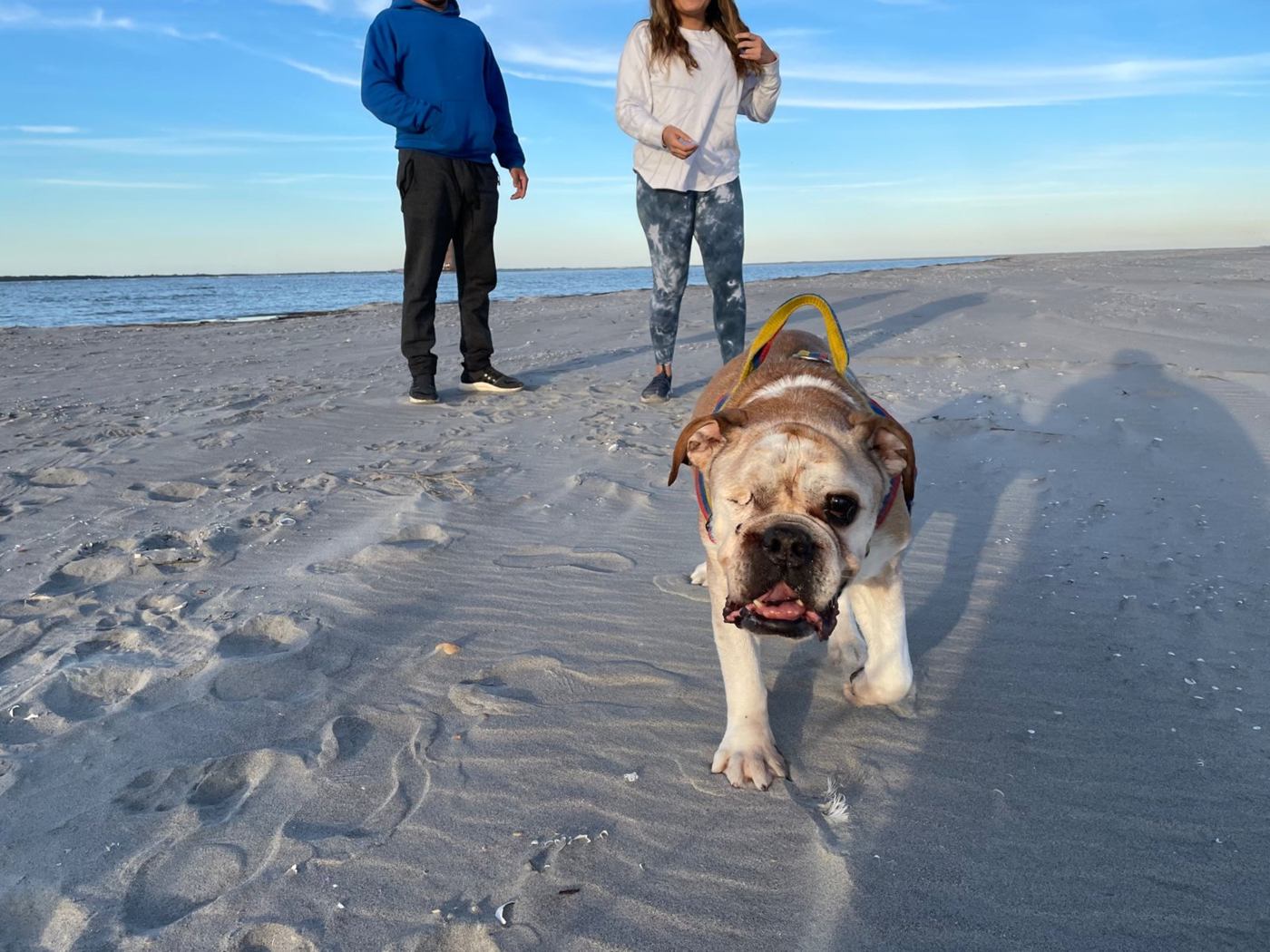
He was half blind, very senior, and it was essentially a non-issue for him. He still had one good eye, and dogs lean on their nose and ears far more than we do anyway.
Remedy taught me the rest
Tyrion lost one eye. His best friend lost both.
Remedy belonged to my best friend, who adopted her knowing she was already blind, and later had to have Remedy's eyes removed. Remedy had other health problems on top of that, and she lived a tough life before she found her home. None of it stopped her. She was hardy, she was courageous, and she moved through the world boldly.
Remedy, her sisters, and her mom were my inspiration in more ways than I can count. Watching how my friend cared for her, and how Remedy simply kept being Remedy, is where I first understood that blindness and quality of life are two separate questions. By the time Tyrion's cornea ruptured, Remedy had been blind for years. My friend had real insight to share, and I had already seen with my own eyes how livable this would be.
But let's take a beat to think about that. A blind dog, with everything else she was carrying, still found the best home with the most love. My best friend never gave up on Remedy, and I never gave up on Tyrion. Not through the pacemaker, not through any of it, and certainly not over an eye. Those dogs met us more than halfway every single time.
What to watch for in a senior dog's eyes
I am not a vet, and this is not a diagnostic list. It is the list I wish I had taken more seriously. If you see any of these, especially more than one, call your vet.
- Pawing or rubbing at one eye, even occasionally
- Squinting, or holding one eye partly closed
- New cloudiness, redness, swelling, or discharge
- One eye starting to look different from the other
- Bumping into things, hesitating at stairs or doorways, or getting stuck in corners
- Trouble finding food, water, or a toy that is right in front of them
- Startling easily or seeming unsure in a new place
A few things I learned the hard way:
A dog that seems comfortable is not proof that everything is fine. Dogs who lose sight slowly learn to compensate, and dogs in general are good at hiding discomfort. Tyrion was incredibly stoic and looked fine right up until his eye literally burst.
A known problem can hide a new one. Because Tyrion had a history of dry eye, even a resolved one, the pawing had a ready explanation we could dismiss. As crazy as it sounds, he had been through worse. If your dog has had an eye condition, keep asking whether anything has changed, not just whether the old problem is controlled.
Some eye problems are emergencies, so plan ahead. A sudden change in the eye, a suspected injury, or sudden vision loss needs same-day veterinary attention. Some conditions that cause blindness are also very painful, and the sooner they're treated, the better. This is the one I wish I had planned for. Tyrion's eye ruptured over a weekend, and I was not willing to hand his eye to an emergency vet who didn't know him, so we waited for his ophthalmologist to open on Monday and then got worked in for surgery with another specialist. The thought of my boy in pain one minute longer than necessary still kills me. Know who you would call on a Saturday night before you need to.
Helping a blind or partly blind dog settle in
Tyrion needed almost nothing from me after his surgery. Remedy needed more, but she adjusted easily. Here is what I've seen work.
Keep the map the same. A blind dog builds a mental map of your home. Leave the furniture where it is, keep the food and water bowls in one spot, and keep the floor clear of shoes and bags. If you do rearrange something, walk your dog through the new layout on a leash a few times.
Keep the routine the same. Same meal times, same potty breaks, same walking route at first. Predictability is what confidence is made of for a dog who can't see.
Talk before you touch. Say their name as you come into a room and before you put a hand on them, especially when they're sleeping. Teach a few simple words like "step" at the curb and "wait" at the door, and have everyone in the house use the same ones.
Use texture and sound. A rug by the back door, a mat under the bowls, a bell on another pet's collar. Dogs read these cues easily.
Let them figure it out. This is the hardest one. If your dog gets stuck in a corner but seems calm, give them a moment before you rescue them. They learn faster when you let them. Step in when they're stressed or headed somewhere unsafe.
Keep them leashed or fenced outside, and keep them away from pools and ponds.
Don't treat them like they're broken. This is the Remedy lesson. She was still a dog. She still wanted walks, play, and her people. The adjustment period is real, and for some dogs it takes longer, but most dogs come through it and get right back to living.
For a deeper list of practical tips from a veterinarian, Dr. Julie Buzby's guide to caring for a blind dog is the one I'd send any senior dog parent to.